Thursday, November 2, 2017

The Cycle Buyer: A Deeper Dive Into Communication Expectations


Obviously - we all want to better understand the cycle buyer. The more we know, the more effective we are in positioning your inventory to them. Lucky for you - Cycle Trader has the ability to run custom surveys to asks these buyers our most burning questions - and because we like you - we’re going to share what we’ve found.

To start off - we asked buyers about how they prefer to hear from you, the dealer, once they’ve submitted a lead. So - here we go:

54% prefer to be contacted via email.
65% would like a response back within the same business day.
45% will wait one day for a response before they move on.
52% will contact another dealer if they don’t hear back in a timely manner.
Once a dealer contacts them - 71% plan to have the keys within a week.

24 hours - how dare you! would be how we would sum up these statistics. These buyers are motivated - and the longer it takes you to get back to them, the more likely it is they are going to head down the street to your competition.

They want to hear from you because they’ve done their research and are ready to buy. If you don’t prioritize helping them, they will move on because at the end of the day, their top concern is not whether they get their next ride from you or the other guy - they just want to get out and ride.

Bottom line - these leads are yours to close. Get back to these buyers - and soon - because they are yours for the taking.

SEM 101

SEM 101

Search Engine Marketing - or SEM - has become an increasingly popular way to target consumers in your local market. Often referred to as paid search - these campaigns run across all of the major search engines, are incredibly customizable, and should be considered as part of a well-rounded digital marketing strategy.

While Pay-Per-Click campaigns are likely the most well-known type of paid search - there are other varieties that could peek your interest and be a good fit for your dealership. Since this is our 101 guide - we’re going to start by giving you an overview of each type of SEM campaign to help you get a firm understanding of how they work individually and together.

Pay Per Click

The most recognizable type of SEM campaign is a Pay-Per-Click or PPC campaign - you’ve likely seen one of these ads today. When you search for a product or service in Google, for example, PPC ads display at the top and bottom of the search results. They are distinguished from other search results by a small “Ad” icon. 

What differentiates Paid Search ads from the other organic search results is that advertisers pay for each click on one of these ads - where you don’t have to pay for a click on an organic search result.

PPC campaigns are built on keywords, ads, and landing pages. Once you’ve identified keywords your customers might use to search for your products - you can bid on these keywords and have your ad displayed when a potential customer searches for one of these terms. You will be able to write custom ads that are relevant to these keywords and choose the webpage that these searchers will land on if they click on the ad.

Display Ads

Display ads are another option when it comes to paid search campaigns. These ads are more traditional banner ads - rather than a designation on a search result - and allow you to target ads to an audience that has been identified as in-market or that show an affinity for certain products or services that you offer. To give you a real life example - since I spend a lot of time on automotive related sites - I’ve been identified as someone who is interested in possibly selling my car - and ads for Kelley Blue Book - are now displaying as I’m checking the weather on weather.com. 


Remarketing

Remarketing is also powered by banner ads and allows you to target past visitors to your website. Once a potential buyer has left your site - these ads follow them as they browse other sites or do subsequent searches related to your products. I’ve been searching on Amazon - and left that site to check the news on CNN.com – and right there on CNN.com, I see an ad encouraging me to return to Amazon to check out additional products.

And because we always want you to fully understand that value of your partnership with RV Trader - we want to reassure you that we have active campaigns in each of these SEM categories - all with the goal of driving potential buyers to your listings. RV Trader has a strong reputation with search engines and a dedicated team - all with the various certifications to qualify their expertise - focused on constantly improving these results. As we grow and hone our efforts - as a customer, your dealership will also benefit with the major search engines. Rest assured that we are always looking for the latest and most innovative ways to drive connections to you. And that’s just an added perk of being online with us. 

Thursday, October 5, 2017


Search is King…
...Are You Optimized? 

Search Engine Optimization can seem daunting - but with more than 3.5 billion searches per day on Google alone - it’s an important part of any well rounded digital marketing strategy. To get you started, we’ve compiled 7 helpful tips that will get you started.

1. Never forget that your website is your storefront

Search Engine Optimization begins with your website. It represents your business as a whole and it’s perceived on the worldwide web. The purpose of your website is not only to share your available units - but also rank well within Google’s search results so Internet users can find their dream bike.

A few quick tips:
  • 400 words on your homepage at a minimum
  • Include all of your dealership addresses, telephone numbers, and cities you serve
  • Optimize your metatags: title tags, H1, meta description to emphasize your dealership OEM inventory
  • Include a search bar and social sharing plugins to improve your social media marketing efforts
2. Develop a content strategy that focuses on your core business.

Blogs and news sections are great ways to keep users engaged - especially when you’re providing them with helpful content relating to your product. So, for instance, if your customers are avid travelers - write about popular rides or have them share upgrades they've done to their bike with you.

Weekly blog entries of around 350-500 words are a great way to get started - but keep in mind that longer articles with relevant details do tend to rank higher in search results. And no matter what - make sure to always tailor your content to your audience: bike enthusiasts.

Topics may include:
  • Local meetups
  • Motorcycle events
  • Motorcycle maintenance
  • Motorcycle reviews 
3. Develop your Google My Business page
Google provides a local business page, which is a quick and easy way to put your business prominently within Google’s ever-growing search results. Additionally, these listings ensure your company has the correct information online, making it easier for individuals to find your dealership and view your available inventory.

4. Tell search engines your website sells bikes with schema/rich snippets
Schema mark-up is additional code on your website which not only allows search engines to index the text on the website pages, but also comprehends what they mean. It provides labels to items on the page. This allows you to identify you site as one that sells bikes, rather than a content website which just writes about them.

5. Build up your citations - and no, we are not talking about traffic violations.
Web citations are mentions of your business name on the web and serve to enhance your web authority, reputation - and ultimately, consumer trust. These citations speak volumes to the search engines and will help your website rank better, improving your overall web presence. Taking advantage of Facebook, LinkedIn, local business directories, and Yelp will give you citations and expand your online reputation.

6. Understand where your traffic is coming from
Regularly checking reports to identify your top landing pages, keywords, and referrals driving your traffic can help your business tremendously. Understanding your analytics will give you incomparable insight into how consumers are getting to your website and where they go once they get there.

7. Make sure your site is ready for the mobile revolution
A mobile-friendly website allows users to view your website and inventory no matter what device they prefer. On Cycle Trader - we have found that 55-60% of all web traffic visits are accessing our site from mobile devices - and we image they are coming to your site the same way. Site speed and design are key factors in keeping your users engaged, allowing them to quickly and easily navigate your website to find their next bike.

By implementing some of these tips and tricks - you’ll be well on your way to an effective SEO strategy, taking away most of the guesswork and inevitably helping your online marketing efforts.

And just so you know - Cycle Trader spends a lot of time and effort optimizing our listings for search engines - so we’re already doing some the heavy lifting for you. So even if you don’t have an SEO expert in-house, you can rest easy knowing the we’ve got you covered - and motivated, potential buyers will still be finding your inventory through Cycle Trader.


The Future of Digital Marketing is Not a One-Size-Fits All Strategy

There are so many ways to advertise your dealership in today’s digitally driven marketplace. So, how do you decide what will work best? Should you lead with a social-first strategy, invest all your money in Google Adwords or focus on a tried-and-true traditional media campaign?

And the answer is (albeit potentially expensive), a little bit of everything. A well fleshed out digital marketing strategy is made up of a mixture of these things, simply because consumers have come to expect it. They rely on a variety of resources when searching for an bike — wanting to hear thoughts from friends and family, see what Google reviews have to say and checking out the best pictures of a unit to truly get a feel for a particular unit.

Managing their increased expectations and getting in front of them early and often isn’t something you have to do alone. OEMs have always supported their dealer networks in a variety of ways to drive more sales and grow market share. And now, more than ever, it is critical for OEMs to expose their brand and products to consumers in the digital world. Manufacturer websites have aligned their marketing to better feature their products and educate potential customers on their brands. Social, mobile, and digital media strategies need to synchronize efforts to reach new prospects and continuously engage existing customers.

This is a lot to think about, but the biggest thing to take away is that you should try to put your dealership and the brands you carry in front of the consumer in as many ways as possible. You want them to run across your dealership regularly — so that either consciously or subconsciously, when they are ready to purchase you, and the inventory you carry, is top of mind. So immerse yourself and your brand in the digital marketplace — guaranteeing a consumer knows who you are and what you offer.

Thursday, July 27, 2017

Ghost Customers: What exactly are they... and why should you be aware of them?


You may have heard the term “ghost customers” before, but what exactly does this term mean? To put it simply, a ghost customer is equivalent to a ‘mystery shopper’. These hired, anonymous shoppers essentially visit businesses (both in person and online), acting like interested customers, who then report back with ratings of customer service and experiences with the business. In order to properly judge their thoughts on a company’s customer service, they often frequent the store, visiting a business multiple times. These ghost customers are used in nearly every marketplace — the question is, do they fit in the motorcycle industry?

The answer is, without a doubt, yes. A growing company, Pied Piper uses a unique and patented process to evaluate a business’ prospect satisfaction, and focuses many of their studies on the automotive and motorcycle industries. A recent article on the company in Powersports Business featured the results of Pied Piper’s 2017 Motorcycle Industry Study, which was conducted over the course of 9 months and utilized nearly 2,000 anonymous shoppers. Countless motorcycle dealerships across the U.S. were analyzed for customer service, and numerous findings were published, including the fact that BMW dealerships ranked the highest in this year’s study.

However, Pied Piper’s president and CEO, Fran O’Hagan, warns that online customer service is becoming more and more important in the motorcycle industry. According to O’Hagan, since the majority of motorcycle buyers’ research and information gathering happens online, the number of visits a customer makes to a dealership before making a purchase is dropping nearly twofold. Recently, the majority of studies have found that an average of 4+ visits before a purchase has dropped to 2 or less in 2017. O’Hagan went on to explain that the most successful motorcycle dealerships combine a number of customer service approaches, but all tend to respond relatively quickly to customer inquiries that come through various online portals. Examples of some of these portals may include a dealer’s website, social media profiles, or Cycle Trader listings.


What’s the point? 

At the end of the day, two things are important to remember. First, since ghost and mystery shoppers are just that - a mystery - they are virtually impossible to target, and you can pretty much say goodbye to trying to figure out who they are. Our advice? Treat every single customer like they are a ghost shopper sent by satisfaction ranking companies, and give them your all when it comes to service and commitment to quality. This may seem like common sense, but rather than reminding yourself to “do the best you can” every day, approach each customer like they are the ones who are going to determine your ultimate customer ranking for this year.

Second, but just as important, is to remember to give as much attention to your customer service online as you do to those people who walk through the doors of your dealership each day. You wouldn’t wait hours or days to respond to an inquiry from a potential buyer on the phone, or in person, so why would you do that to prospects online? Check your Cycle Trader TraderTraxx platform daily, and make it a habit to field questions and answer inquiries. Check-in with your social media platforms as often as you can, as many buyers can and will find you through shared listings and posts by friends.

Above all, though the idea behind ghost customers can be intimidating, don’t let their presence make you uneasy. These essential and helpful customer service ‘surveyors’ can help keep your business and staff on its toes, hopefully ending in even better customer service each day than the day before.

In Case You Missed It: July Moto News

Cycle Trader is your go-to when it comes to finding resources to sell your inventory and keep up-to-date with best powersports business practices — so why not come to us as your ultimate resource on all other things motorcycle news-related? To keep you informed with moto industry news, new product launches and upcoming model reviews, here’s a recap of some of July's most viral cycle stories. 


Check them out and see which story you think was the highlight of this month.


Image: Dealer News

Rumor has it that Pence may address the motorcycle industry at this year’s AIMExpo in late September, according to trusted MIC sources and event leadership. The Vice President would be delivering the keynote address, but only time (and us, since we’ll be there) will tell if the whispers are true.


The new tool for dealers, housed in Cycle Trader’s one-of-a-kind inventory management platform ‘TraderTraxx’ allows dealers to finally gain an accurate snapshot of pricing trends across the country and local arenas. Using the tool, dealerships will now be able to better determine a fair, competitive purchase price for buyers, taking the guesswork out of deciding on the best price for a unit. 


Provoking a feeling of nostalgia and honoring the 1970’s Americana classic Brutale 800 range, 
the new model comes with the 3-cylinder it’s fans know and love… with the added allure of a “star-spangled banner” motif.


Presenting almost 20 new models, the new lineup includes motocross, street, offroad, dual-sport, and Supermoto bikes, plus new youth ATVs and King Quads. 
Click to link above to see the full lineup of Suzuki’s new 2018 offerings.


Image: Powersports Business


Earlier in the month, an event at Classic Car Club Manhattan housed the unveiling of a limited edition Ducati Diavel Diesel series, a line produced from a partnership between Ducati North America and Diesel, an Italian design house.

Described in Powersports Business as “post-apocalyptic,” 
only 666 units will be available for the coveted luxury line.


After over two decades with the Marine Propulsion Systems Division, executive leadership team member Alain Villamure is set to close the curtain on his time with BRP.


Minimalistically styled, the new lineup is said to pay homage to the motorcycles that graced the years of ‘America’s post-war past.’ Complete with sleek black machinery styling and two-tone leather seats, the units are said to become available to dealers in late September of this year.


The Chicago Business Journal recently reported that plans were in place for Fox Motors to open a Harley-Davidson dealership in the Addison & Clark complex, conveniently located just yards away from Chicago’s famed stadium. With special events already being planned for the dealership’s first year in business, its doors are said to likely open sometime in 2018.


Image: Apache Junction Independent

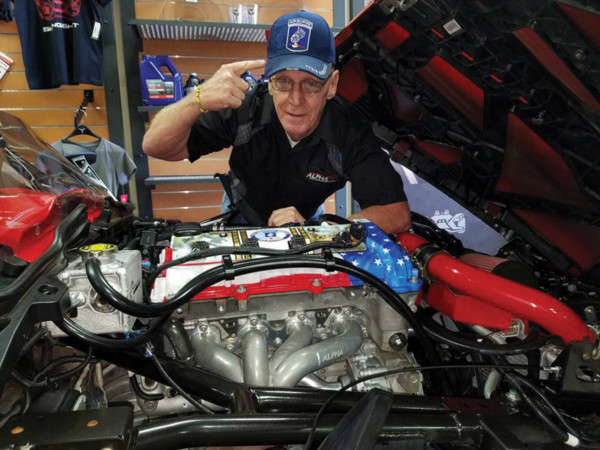
Arizona Kawasaki honorably repaired the veteran’s Slingshot free of charge, even customizing it with the vet’s airborne brigade insignia. Click the link above to read the patriotic and inspiring story.


While the manufacturer garnered a permit to film in multiple intersections on streets across the U.S., 
things got a little awkward when they decided to shut down a street in Milwaukee  
the birthplace of Harley-Davidson.

We’ll be back in August with more top highlights, but in the meantime,
 you can stay up to date by clicking here.

Wednesday, July 26, 2017

Dealership Hosting College's Moto Maintenance Certification Courses


A recent article from Powersports Business has reported that a New Hampshire Harley-Davidson dealer is set to begin hosting training certification courses for a local community college this fall.

Great Bay Community College (GBCC), based out of Portsmouth, New Hampshire, offers a 24-week course resulting in a Certificate in Motorcycle Maintenance and Repair Technology. Seacoast Harley-Davidson is sponsoring this year’s students, and is currently working on putting together a lab-type environment for the students to use for classes. Together, experienced motorcycle technicians from Seacoast and instructors from GBCC will help students develop the skills and experience necessary to obtain a job in the ever-evolving and challenging world of motorcycle maintenance, repair, and more.

According to Seacoast, this type of dealer-sponsored program is the first of its kind to their knowledge, and is setting a standard when it comes to opening doors for the next generation of workers to dive into careers in the motorcycle industry.

Will Arvelo, current president of GBCC, explained to Powersports Business:

“As with many technical occupations, connecting employers with the next generation of skilled workers is an important priority that requires working together and creative thinking. We appreciate and enjoy when local businesses - such as Seacoast Harley Davidson - take initiative to help create training opportunities that enable students and businesses to thrive, because it’s precisely why GBCC exists in the first place."

While the concept of these types of partnerships is largely new to the industry, the idea could be revolutionary when it comes to turning the tides on the number of people interested in starting careers in the motorcycle world. Would your dealership be interested in a program like this? Do any colleges offer motorcycle-related courses near you? Comment and let us know.

Click here to read the full article from Powersports Business on the business-education partnership.